Transforming Human Disease Modeling with Advanced 3D Cell Culture Models
3D Cell Models offer a dynamic environment where cells mirror the complexities of in vivo conditions, providing a robust research platform.
Breakthroughs in human disease research, particularly in regenerative medicine and precision therapies, have been propelled by revolutionary advancements in in vitro 3D cell culture models. These sophisticated cell models exhibit structural, morphogenetic, and functional properties closely resembling in vivo pathophysiology, offering a multifaceted platform for predictive and translational research.
To fully leverage organoid relevance in clinical outcomes, there's a pressing need for strategies to minimize variability while enhancing insights. Despite vast scientific opportunities unlocked by innovations in culturing ex vivo human models, some technologies still constrain characterization of these intricate cell models. Read on for solutions to drive organoid insights.
Organoid Analysis
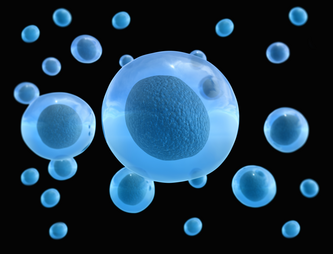
The application of organoids as in vitro models is gaining popularity. These models can accurately replicate in vivo pathophysiology, thereby making them an essential instrument for disease research. It is crucial to minimize variability and establish technological pipelines that can precisely image, monitor, and quantify these intricate 3D cell models.
DownloadiPSC-Derived Motor Neurons and Microglia from ALS Background Display Disease Phenotype
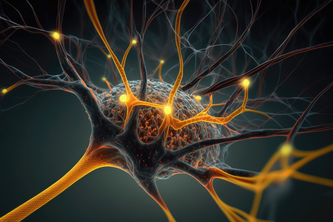
iPSC-derived cells provide a valuable tool for disease modelling, with the ability to use cells directly from affected patients, as well as the potential to drive these cells towards multiple lineages. In this study, iPSCs were shown to exhibit disease phenotypes which can be quantified for future drug discovery purposes.
DownloadAdvanced in vitro Modeling of Human iPSC-derived Neuronal Mono- and Co-cultures with Microglia: Optimization Using Growth Factors and Live-Cell Analysis

A major impediment to studying diseases affecting the human nervous system is the ability to monitor, analyze, and quantify the activity of neuronal cell populations that accurately represent human phenotypes. Explore technology providing researchers with a set of automated tools to facilitate evaluation, characterization, and validation of complex neuronal models.
DownloadEvaluating Antibody Drug Conjugates (ADCs) In Vitro Using 3D Tumor Spheroid Models
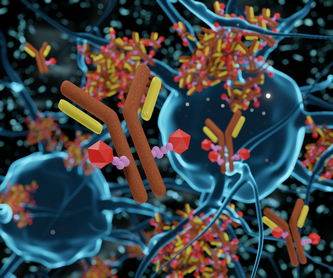
ADCs are transforming the landscape of cancer therapy by marrying the precision of targeted drug delivery with the potency of chemotherapeutic agents, while engaging the body's immune system to fight cancer cells. As ADC development surges forward, demand for sophisticated, dependable assessment methods for these promising drugs has never been greater.
Download