Conexiant
Login
  • The Analytical Scientist
  • The Cannabis Scientist
  • The Medicine Maker
  • The Ophthalmologist
  • The Pathologist
  • The Traditional Scientist
The Analytical Scientist
  • Explore

    Explore

    • Latest
    • News & Research
    • Trends & Challenges
    • Keynote Interviews
    • Opinion & Personal Narratives
    • Product Profiles
    • App Notes
    • The Product Book

    Featured Topics

    • Mass Spectrometry
    • Chromatography
    • Spectroscopy

    Issues

    • Latest Issue
    • Archive
  • Topics

    Techniques & Tools

    • Mass Spectrometry
    • Chromatography
    • Spectroscopy
    • Microscopy
    • Sensors
    • Data and AI

    • View All Topics

    Applications & Fields

    • Clinical
    • Environmental
    • Food, Beverage & Agriculture
    • Pharma and Biopharma
    • Omics
    • Forensics
  • People & Profiles

    People & Profiles

    • Power List
    • Voices in the Community
    • Sitting Down With
    • Authors & Contributors
  • Business & Education

    Business & Education

    • Innovation
    • Business & Entrepreneurship
    • Career Pathways
  • Events
    • Live Events
    • Webinars
  • Multimedia
    • Video
    • Content Hubs
Subscribe
Subscribe

False

The Analytical Scientist / App Notes / 2014 / Selective Extraction and Cleanup of Patulin Mycotoxin from Apple Juice Samples

Selective Extraction and Cleanup of Patulin Mycotoxin from Apple Juice Samples

04/11/2014

Share

Featured Image
Introduction

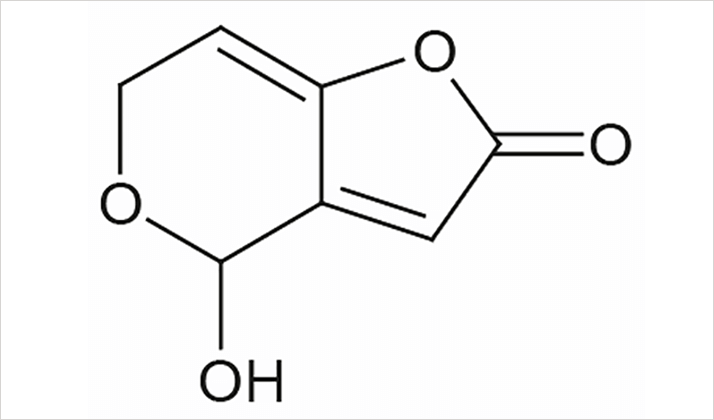
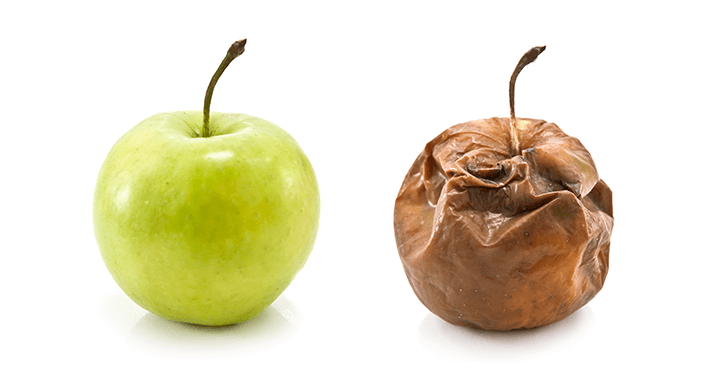
Patulin (Figure 1) is a mycotoxin produced by a number of fungal species. The mold Penicillium Expansum, in particular, is known as the main source of patulin contamination.1 Patulin occurrence is found most often in rotting apples and products made from spoiled apples. Included among these products is apple juice and apple puree.2

Supelco logo
App-note1441-supelco-apples
app note 1441 fig.1Figure 1. Structure of Patulin
Because studies have shown that patulin possesses immunotoxic and genotoxic properties, regulatory limits for patulin have been set in 50 countries, including USA and European Union. In Europe, the maximum limit recommended for patulin in fruit juices is 50 μg/kg. The maximum patulin level permitted by the US FDA in apple juice is 50 μg/L.2-4 Historically, analytical methods for patulin have employed liquidliquid
extraction (LLE) followed by HPLC separation with UV detection at 276 nm.1,5 Researchers have highlighted problems with these methodologies, including:
  • Tedious sample preparation associated with liquid-liquid extraction
  • Patulin instability in alkaline conditions resulting from sodium carbonate cleanup
  • The requirement of extra cleanup or chromatographic method development to prevent the coelution of patulin and interfering matrix component 5-hydroxymethylfurfural (HMF).1,6
Therefore, a quick, simple and robust sample preparation method for patulin analysis is needed.
Molecularly Imprinted Polymers
SupelMIP®
SPE – Patulin, a sample cleanup product used in this application, is made using the technology of molecularly imprinted polymers (MIPs). During MIP synthesis, a polymerization takes place around a template molecule that is similar to the analyte of interest. This template guides the formation of specific cavities within the polymer that are sterically and chemically complimentary to the target analyte. The subsequent removal of the template results in a polymer that is selectively retentive for the specific analyte of interest. During sample preparation, the MIP phase extracts the target analyte with a high degree of selectivity. The use of vigorous washes during the SPE procedure results in superior cleanup, producing a highly pure, concentrated sample for analysis. In this application, the use of SupelMIP SPE – Patulin is demonstrated for the cleanup of patulin in apple juice. Please note that other apple-containing products and matrices can be analyzed using similar methodology.
>> Download the full Application Note as PDF

Newsletters

Receive the latest pathologist news, personalities, education, and career development – weekly to your inbox.
Newsletter Signup Image

Explore More in Pathology

Dive deeper into the world of pathology. Explore the latest articles, case studies, expert insights, and groundbreaking research.

False

Advertisement

Recommended

False

Related Content

Comprehensive Analysis of Drug Residues from a Confiscated Pipe

May 1, 2014

This application note shows the utility of high resolution mass spectrometry with soft ionization to facilitate identification of unknown compounds which were present in extracted residues from a confiscated pipe...

Extraction and Analysis of Neonicotinoid Pesticides from Flower Blossoms

May 6, 2014

In this application, the Quick, Easy, Cheap, Effective, Rugged, Safe (QuEChERS) approach was used to develop an extraction and cleanup method for the analysis of seven neonicotinoid pesticides in flower blossoms...

Ultrapure water: LC-MS suitability tests

May 7, 2014

Fresh ultrapure water used in all the experiments was produced from a Milli-Q® water purification system fed by an Elix system...

GC/MS analysis of a complex sample in DCM using hydrogen carrier gas

May 8, 2014

This application note aims to demonstrate the injection of a complex, 76-component sample diluted in Dichloromethane (DCM) using hydrogen carrier gas...

Thank you for reading The Analytical Scientist

To continue reading, either register for a free account below or login.

Register or Login

False

The Analytical Scientist
Subscribe

About

  • About Us
  • Work at Conexiant Europe
  • Terms and Conditions
  • Privacy Policy
  • Advertise With Us
  • Contact Us

Copyright © 2025 Texere Publishing Limited (trading as Conexiant), with registered number 08113419 whose registered office is at Booths No. 1, Booths Park, Chelford Road, Knutsford, England, WA16 8GS.