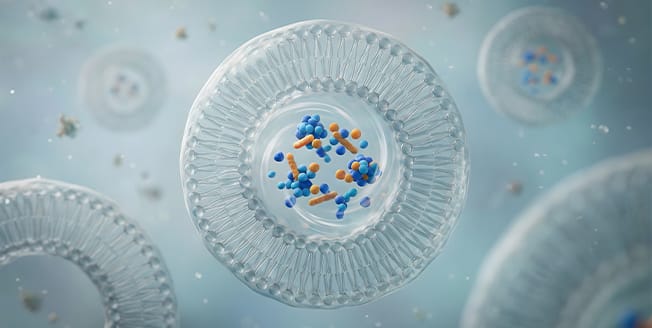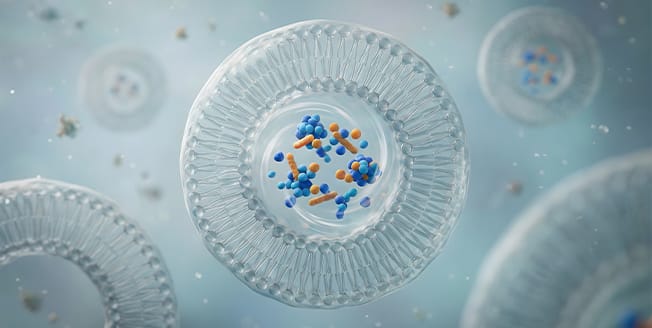

Doxorubicin is a well-established chemotherapeutic agent frequently used in cancer treatment. Already in 1995, Doxil®, the brand name of the fi rst liposomal Doxorubicin formulation, became the very fi rst FDA-approved nano-drug. Encapsulation of Doxorubicin is a useful way to mitigate its cardiotoxicity and to ensure a high, stable dose as well as a prolonged circulation time of the drug in the human body [1]. Today, several liposomal Doxorubicin formulations (Figure 1) are available for clinical application and the accurate characterization of their physico-chemical properties - including size distribution, shape and physico- chemical stability - is a prerequisite for market approval.
Newsletters
Receive the latest pathologist news, personalities, education, and career development – weekly to your inbox.