Estelle Riche and Stephane Mabic, Merck, Milli-Q® Lab Water Solutions, Guyancourt, FranceEstelle Riche and Stephane Mabic, MilliporeSigma, Milli-Q® Lab Water Solutions, Guyancourt, FranceWater is probably the most commonly used reagent in every laboratory. From reagent and buffer preparation, to sample and standards dilution, used as experimental blanks, and for simple glassware rinsing, water is everywhere. The potential impact of water quality on experimental results cannot be overlooked, especially as analytical techniques are becoming increasingly sensitive.

Water is probably the most commonly used reagent in every laboratory. From reagent and buffer preparation, to sample and standards dilution, used as experimental blanks, and for simple glassware rinsing, water is everywhere. The potential impact of water quality on experimental results cannot be overlooked, especially as analytical techniques are becoming increasingly sensitive.

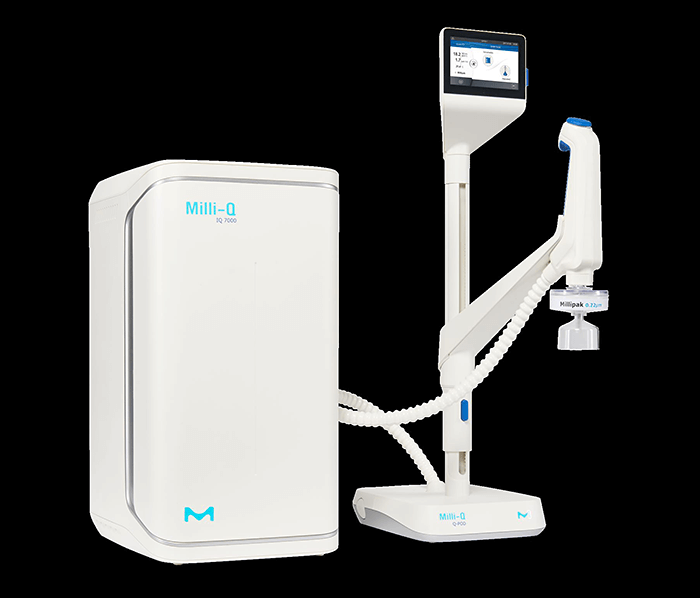
It is important to learn to follow a few simple ‘Do’s and Don’ts’ when handling purified water. This will help you obtain the highest quality water from your laboratory’s water purification system, and to avoid common mistakes when handling high purity water for your sensitive applications.
>> Download the full Application Note as PDF
Newsletters
Receive the latest pathologist news, personalities, education, and career development – weekly to your inbox.