Gas chromatography is sometimes described as a mature technology – but maturity should not be mistaken for stasis. New regulatory demands, changing carrier gas strategies, more sensitive mass spectrometers, and emerging applications in areas such as semiconductors, alternative fuels, omics, environmental monitoring, and food analysis are all placing fresh pressure on GC systems and consumables. For column developers, that means meeting the demand for better bleed performance, greater inertness, improved robustness, and longer lifetime. In other words, GC column development is alive and kicking.
In this interview, Gustavo Serrano, Global GC Columns Product Manager at Agilent Technologies, reflects on the past, present, and future of GC column innovation – from the legacy of J&W Scientific and the rise of low-bleed GC/MS phases to the latest push for columns that can support lower detection limits and more reliable routine analysis.
Meet Gustavo
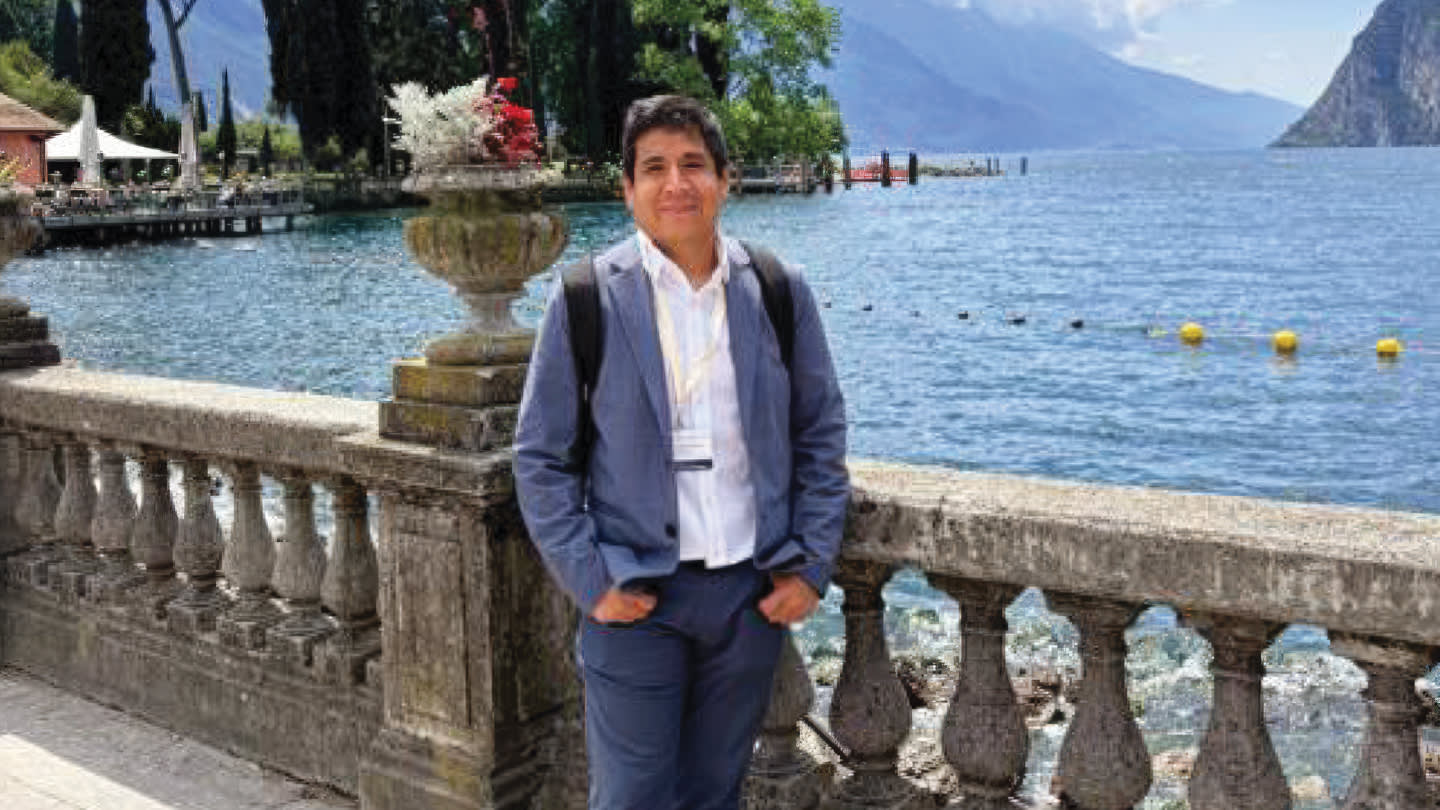
Gustavo Serrano is the Global GC Columns Product Manager at Agilent Technologies. Gustavo has a broad background in GC technologies, including experience as an R&D scientist and Product Manager at Sigma-Aldrich/Supelco, where he worked on the development and commercialization of novel Ionic Liquids GC stationary phases. He has also published extensively in the fields of portable micro GC systems, GC columns and micro thermal modulators for GC×GC applications. Gustavo holds a PhD in Environmental Health Sciences from the University of Michigan, and an MBA from the University of Indiana – Bloomington.
GC is sometimes seen as a mature technique with limited potential for development. What's your view?
Gas chromatography is “mature.” However, new applications demanding lower limits of detection due to the ever-evolving regulatory requirements keep the momentum going for new innovations in GC instruments and GC consumables. As an example, in the semiconductor business, we are seeing new demand for gas and small molecule analysis with the use of PLOT GC columns and even packed GC columns. I remember chatting with colleagues who long predicted that packed GC columns would no longer be needed, but in the process GC industry, they remain a robust and long-term solution for real time analysis of impurities in gas streams. In addition to the semiconductor segment, we also see an uptick driven by alternative fuels. Regionally, we have also seen increased demand by new and stricter food and environmental regulations that drives demand for GC-MS analysis.

Is GC predominantly used for routine analysis?
GC is widely used in routine and regulated methods across the world, from food and environmental all the way to pharma and toxicology segments. There are some obvious overlaps with LC techniques, but I think that in routine analysis, they are complementary. There is also demand for novel applications, which we found at Riva 2026, for example. Every year, I see more GC work in omics applications, particularly for plant volatilome, but also in metabolites in biological systems. So, in addition to routine methods, I think GC is still a powerful tool for fundamental research work.
What role does the Riva conference play in column innovation?
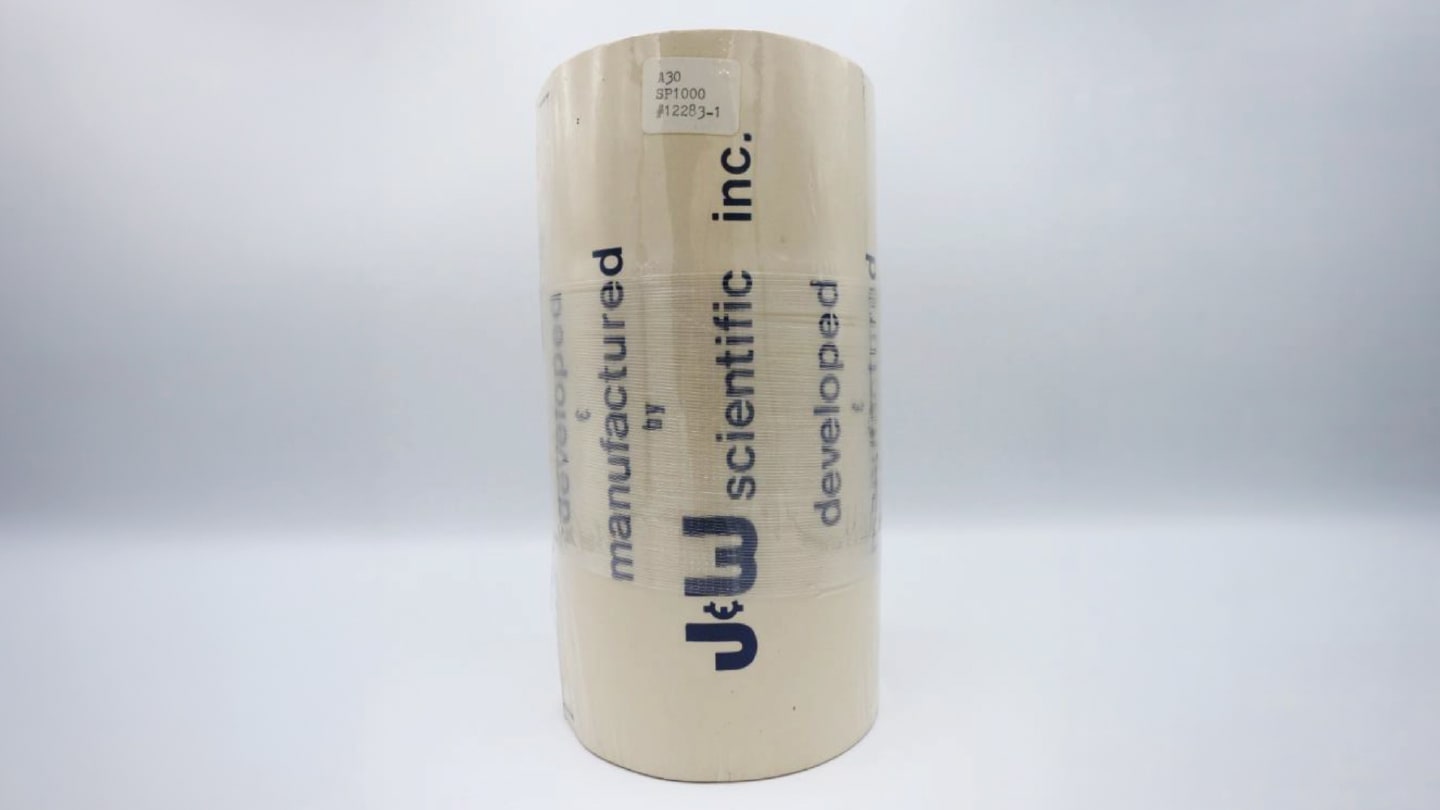
I have attended the Riva del Garda Conference since I was a graduate student, and it is the place to learn, share and exchange ideas with other fellow scientists doing chromatography – either GC or LC capillary chromatography. I recall a quick chat with Pat Sandra about GC columns and J&W Scientific, and he told me that he remembered when Walt Jenning would run down the aisle to chat with everyone at Riva. There was also Marcel Golay, Kurt Grob, Richard Sacks, my dear friend Harold McNair, and so many other great scientists that contributed significantly to the development of capillary GC column technology by presenting their work at the ISCC conference. We want to keep carrying that torch and use ISCC as a platform to highlight the recent innovations in GC.
How are columns changing?
I think fused-silica open tubular GC columns will dominate the market for years to come. I thank the earlier chromatographers and mathematicians that made the 30-m x 0.25 mm i.d. x 0.25 um configuration the gold standard for efficiency and capacity, all while keeping analysis time reasonable (20 to 30 minutes). Today, laboratories are trying to improve productivity. Labs increasingly want to improve throughput - more samples per day. This is accomplished by using high efficiency, narrow-bore column IDs, like a 20-m x 0.18 mm ID. These narrow-bore columns have less capacity, but with the sensitivity of newer MS detectors, you don’t really need to inject large volumes to achieve LODs.
Another trend that continues to emerge is the need for Helium carrier alternatives. When using Hydrogen as a carrier gas, a renewable option for GC/MS, the lower viscosity requires the use of high-efficiency, narrow-bore GC/MS columns, increasing their use. I have also seen a growing demand for 40-m x 0.25 mm i.d. columns. At first, this seemed odd. I realized that labs wanted to keep the retention time patterns of a standard 30-m x 0.25 mm ID and found it more convenient to use this dimension when switching from He to Hydrogen. This dimension is compatible with Hydrogen carrier and will closely match the separation.
Lastly, let’s not forget about the very narrow 0.10 mm i.d - a staple in many flavors and fragrances labs – and non-conventional configurations like chip-based GC or planar GC columns with fast heating options.
Riva was a great place to learn about these new chemistries and applications for GC.
50 Years of GC Innovation
What have been the biggest innovations over the past half century?
This is an interesting question, and probably debatable. I’ll go with three, the first two I think were responsible for the wide adoption of gas chromatography in analytical laboratories.
First, the development of fused-silica capillary columns with liquid stationary phases. I can’t imagine analytical labs running these complex separations in a matter of minutes without the resolution, performance and selectivity of capillary GC columns.
Second, in the early 80s, Hewlett-Packard introduced electronic pressure control (EPC) to the GCs. I think now we all take for granted the robustness and reliability of the GCs, but few remember that back then pressure regulation was done manually. With the introduction of the EPC, we could finally automate gas flow and pressure settings, drastically improving retention time precision and peak integration for quantitative analysis. I still see one or two 5890s GC when I visit customers, and after 30-plus years, they are still operational.
And third, I’d say: thermal and flow modulators that took us to the development of GCxGC techniques in the late 90s. The use of two GC columns with different orthogonality allows to vastly improve the resolution and peak capacity of your separation. I think it is taking some time for GCxGC to spread into labs running routine analysis, but I think it is a matter of time until we see a wider adoption of GCxGC for analyses that require the resolution power of the technique.
Will GCxGC impact the market?
Certainly. GCxGC is a powerful tool for some applications in which the peak capacity of a traditional 1D GC may be the limiting factor. For example, persistent organic pollutants (POPs) is an area where I think we can benefit from GCxGC – this is a very difficult separation to do in one single run with a 5 percent-phenyl dimethylpolysiloxane phase. At Riva, I found some interesting GCxGC applications for flavor and fragrances. All these separations that include some positional isomers like FAMEs are also very challenging with one single column, and most traditional FAME methods require a 100-m column. I think we can probably get better analysis time and separate some of these isomers with two shorter columns with different selectivity in a GCxGC setup. So, certainly, there is a market for GCxGC, and I think it is a matter of time until it is accepted by most industries. There are, of course, some challenges remaining, and I think most GCxGC talks at Riva were focused on method optimization, but we are certainly getting there.

What does the future of GC look like?
As much as I like the resurgence of PLOT and Packed GC columns, the present and future of Gas Chromatography is likely in hyphenated techniques, particularly with mass spectrometry. There are other detectors out there, including vacuum ultraviolet (VUV) absorption spectroscopy, and barrier discharge ionization detection (BID), that offer really good sensitivity levels for specific applications. I was talking with a vendor in Analytica that introduced a portable GC with an ion mobility spectroscopy (IMS) detector for trace analysis of sulfur gases. So, there are a lot of investigation into new technologies to address very challenging applications.
For us in the GC column business, that means that we have to keep up with all these new approaches and levels of sensitivity. After talking with some colleagues in the field, we realized that the bleed level of existing GC/MS columns was not keeping up with new detectors. It is like buying a nice sport cars and using a low octane gasoline! If you don’t have the right GC column for these new detectors, as an example, you can experience increasing baseline noise that could diminish the lower sensitivity levels that your detector can offer. You are also transferring all that stationary phase fragmentation to your detector, resulting in more cleaning and downtime.
That’s why we focused heavily on modernizing our GC column technology to keep up with this resurgence of hyphenated techniques, particularly for single quad and triple quad GC/MS systems, that can reach sub-picogram levels. Our new DB- and HP- 5Q GC/MS columns address this issue. We combined the inertness of our Ultra Inert columns, with a new technology that minimizes column bleed even at elevated temperatures. At Riva, I was surprised to see that some fellow scientists were using the DB-5Q for some routine and very traditional petrochemical applications with an FID detector. Not the market I was envisioning when we launched the column, but a low-bleed column benefits every GC application, apparently!
So there’s still scope for GC column innovation?
As long as there is demand for new GC methods and applications, there will be a need for new column development. But the focus perhaps changes. For example, back in the 80s and 90s, there was a need for a stationary phase with different selectivity and polarities. I don’t see that trend anymore. I think the room for additional stationary phases is still there but is not as large as it used to be. Now, chromatographers want more performance from their existing phases, not only in bleed and inertness, but in retention time stability, in column lifetime, in robustness and so on. I think there is room for application-specific GC columns – which was probably more predominant in the last decade, and we came with a few for some specific applications like Select-PAH, DB-FATWAX UI, Select-FAME, etc.
So, what is next? That will be up to our customers to decide. Actually, at Riva, I asked that question, and probably the most common answer was a polar phase that can go up to 340/350 C. If that’s what they want – great – that’ll keep our R&D team busy!

Are newcomers to the GC market shaking things up?
Competition leads to innovation and that is good for the chromatography community. We, as manufacturers, are motivated to continually improve our products, and the resulting competition is positive for GC users, as it provides options to their chromatographic challenges. The barriers to entry for newcomers making GC columns are high, and as a result, I have not seen too many newcomers. Perhaps there is more in the LC column market, where market growth is higher, especially for bio-LC applications. At Riva this year, I was encouraged to see existing GC column vendors launching new products. There were years when some of our competitors didn’t launch any new GC columns. But, this year, I have seen at least two new GC column launches. GC continues to be an investment area with new applications and opportunities. As I stated earlier, this innovation is good for everyone and will support a growing Gas Chromatography market for years to come.

Newsletters
Receive the latest analytical science news, personalities, education, and career development – weekly to your inbox.