For The Power List 2025, we invited entrants to tackle three big questions facing the field, including: What should be done to help analytical science rise to prominence as the keystone of all good science?
Here, three honorees – Coral Barbas, Georgios Theodoridis, and Michael Witting – whose essays ranked in the top ten by our judging panel, come together to discuss practical examples for raising the profile of the field.
Why is it important to have this discussion now – and what’s at stake?
Coral Barbas: Analytical science will only get the recognition it deserves when we value the quality of a measurement as much as its outcome. When people obtain a number, many researchers don’t think twice as long as the result fits their expectations. A related problem is that for many years, we have been considered a service. And not only that – there’s a perception that anyone can make a measurement, so what is an analytical chemist even for? We need to strengthen the value of accuracy, precision, and true identification in our work.
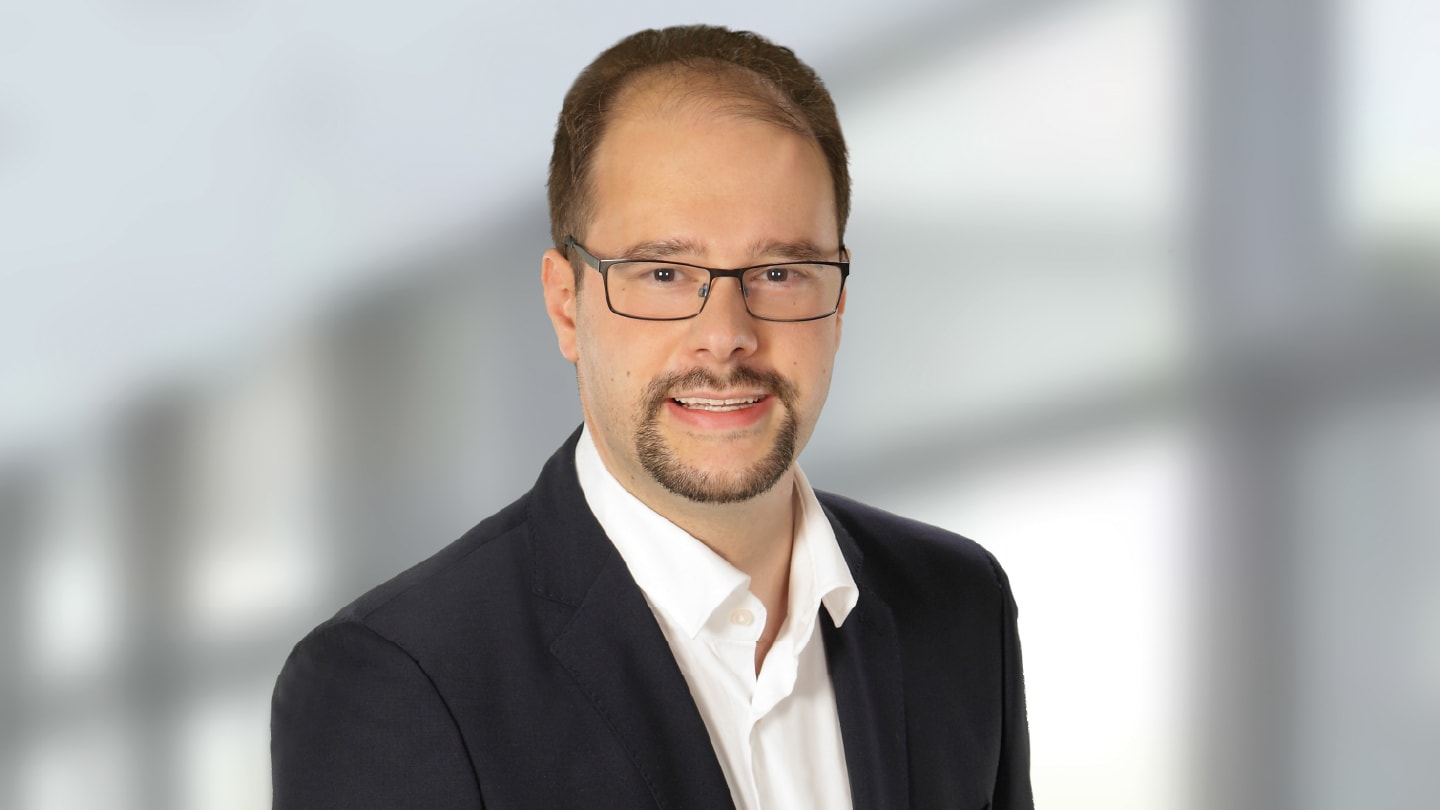
Michael Witting: What’s at stake isn’t just the field – it's science more broadly, and even society. A healthy, safe, enjoyable life depends on analytical science. Clean water, clean food, detecting adulteration, pharmaceuticals – there’s always a measurement behind it. Most people don’t realize how central analytical science is to daily life because it’s hidden.
And yes, Coral is absolutely right: we’re often seen as a service because analytical chemistry is literally down in the basement, in the “shady” part of the building where the big machines run and people send samples. But we need to get to the front page – because without us, nothing works. We need to step into the light, become more visible, and be recognized for our role as a central anchor point of life science and chemistry.
Georgios Theodoridis: I agree that we’re perceived as service providers – and you can see that in how major prizes or large grants, like ERC grants or Nobel Prizes, rarely go to analytical chemistry. Many big grants go to what is seen as “fundamental” science, yet analytical chemistry is the core of so much. If analytical science thrives, toxicology, environmental science, clinical chemistry – and so on – thrive.
When we talk about “raising the profile of the field,” what does success actually look like?
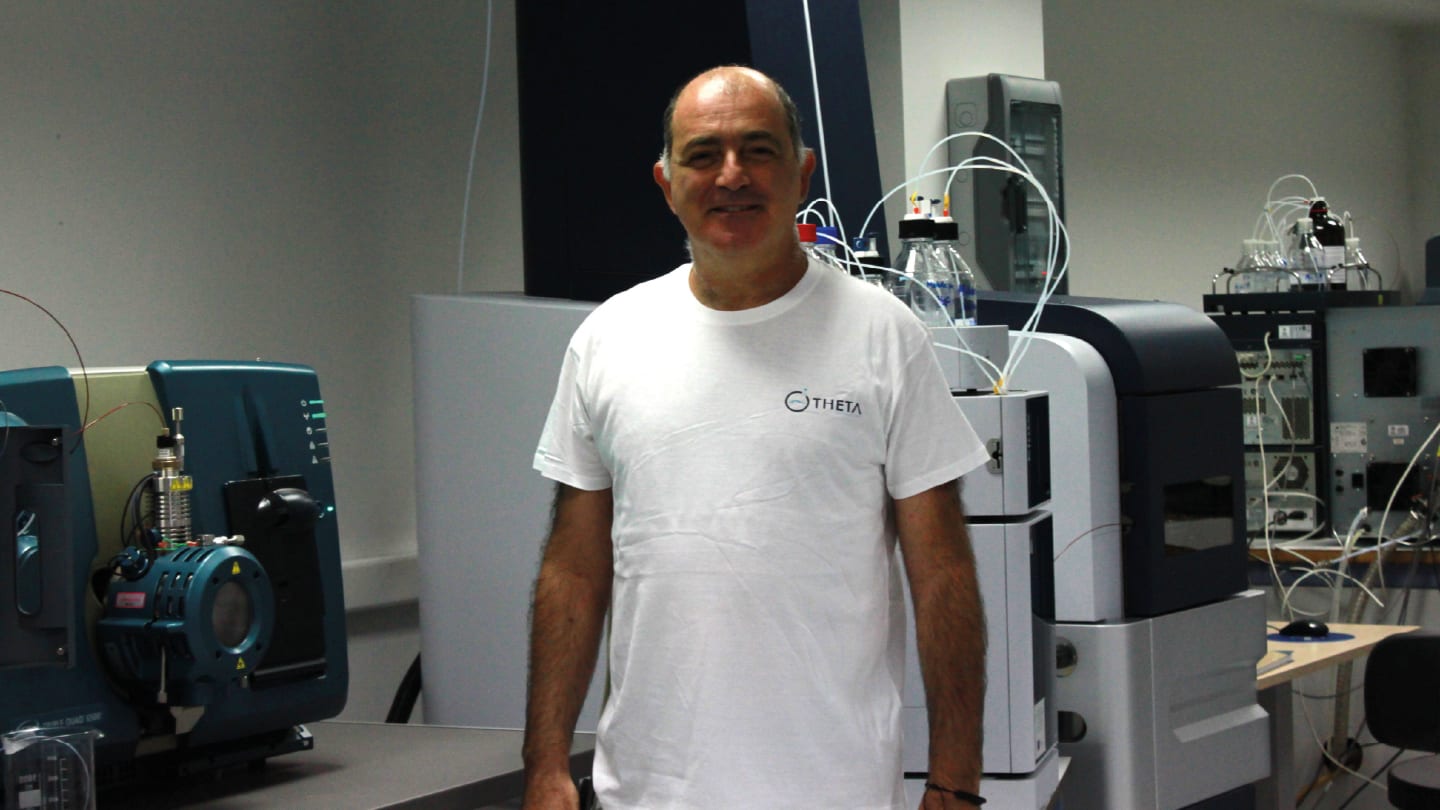
Theodoridis: As much as I would like to see the number of Nobel Prizes or ERC grants suddenly increase in our field, I do not anticipate that happening. But I do see a clear need – and a clear drive – for strong core facilities and infrastructures. We fund enormous infrastructures like CERN, and rightly so. We should also be investing in serious, long-term facilities for analytical science. If we only give scattered sums – three million here, two million there – we end up with lots of small centers that are not centers of excellence. That can be misleading and produce poor results. We need substantial investment in people and in facilities. Not just the instruments, but the trained specialists who truly know the samples, the molecules, and the problems.
Witting: This ties to respect. People often imagine that analytical chemistry is just taking a vial, putting it in a machine, and letting the machine magically give a perfect answer. But most of the real work happens before and after the measurement. The “machine time” might be minutes – but the planning, preparation, and interpretation take far longer. Success means valuing the brains behind the instruments. It means recognizing the expertise needed to design the experiments, run them properly, and analyze complex data. The trust people place in the numbers we deliver should be matched by respect for the people producing them.
Barbas: We also need leadership within analytical science to convince young people that our field is innovative and intellectually creative – not just technical. It’s not only about learning to operate an instrument. It’s about going home thinking: How can I solve this? Why didn’t it work? What new idea can I try? That’s the intellectual value we should be giving – and expecting – in return. We are partly responsible when we treat results as the only thing that matters. We should train our students to identify challenges, to think deeply, to try new approaches. This strengthens their capabilities as researchers and increases the field’s visibility and respect.
Who are the stakeholders we need to convince if we want analytical science to gain visibility and proper support?
Theodoridis: Policymakers, regulatory bodies, and agencies like the European Food Safety Authority. And of course, the FDA and similar authorities worldwide. Many of these organizations are already full of chemists, and toxicology labs are essentially analytical labs. But when it comes to decision-making – where funding goes, what gets prioritized – we’re dealing with politics. And that’s tricky, because we come in with numbers, and numbers aren’t always welcome or “exciting” in those environments.
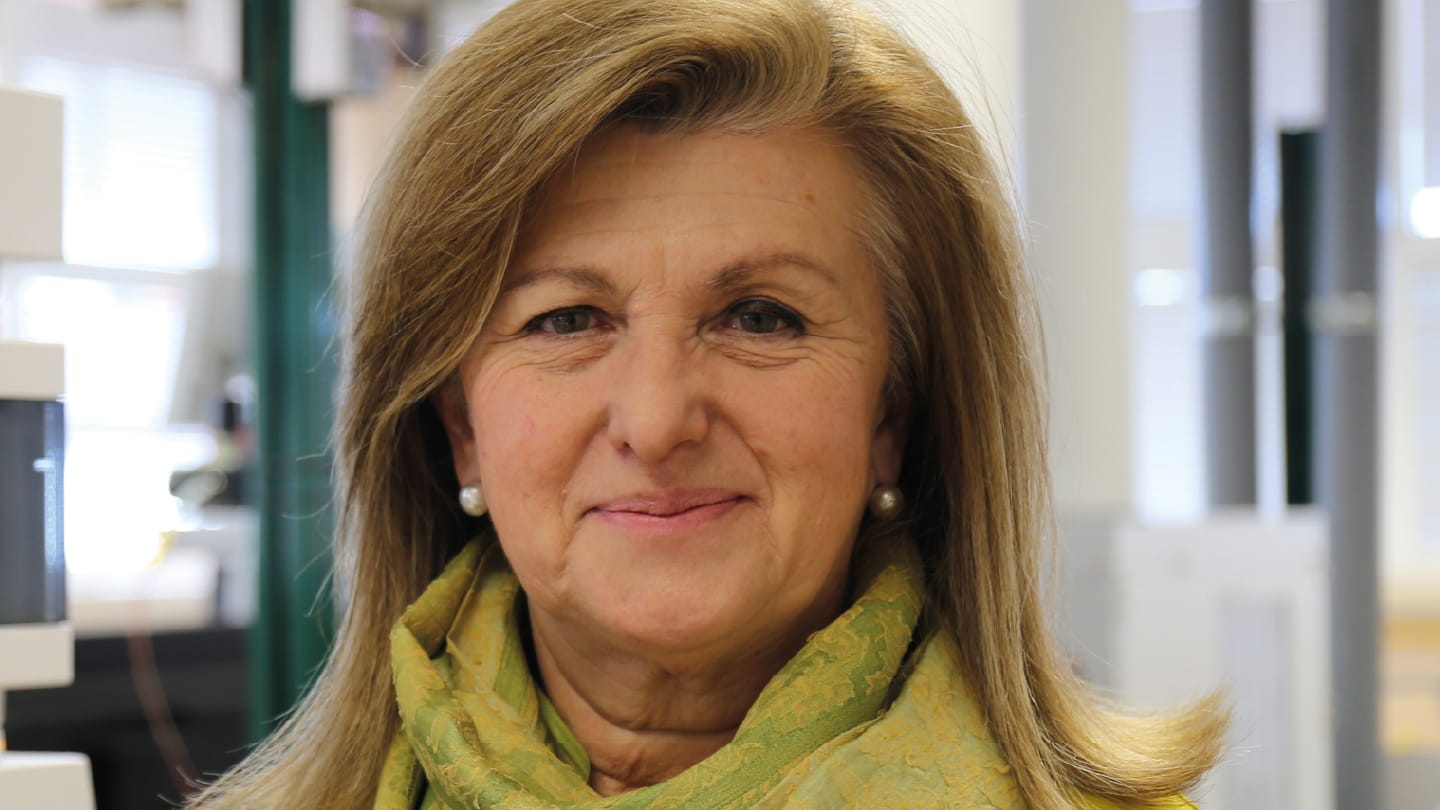
Barbas: Yes, and when applications for core facilities or new instruments are reviewed, the focus is always on the instrument, not on the people. You often see funding awarded, then people hired afterwards. But the people should matter even more than the instrument. We all know labs full of expensive instruments that are practically useless because no one is qualified to operate them. Calls for instrumentation should require a trained specialist – otherwise we keep repeating the same mistakes.
Theodoridis: I completely agree. For decades, we had no instruments in my lab in Greece – none. Students had to travel abroad to Germany, Athens, or the UK to run NMR or mass spectrometry. Meanwhile, there were dozens of instruments in the country sitting idle because unqualified people had obtained them. This happens everywhere. And policymakers need to hear that this is taxpayer money being wasted.
Witting: I think we also need a bottom-up approach. Our fellow scientists are an important group we can influence. They, in turn, influence the decision makers above them, and so on. We need them to understand that these instruments are not push-button systems, despite what some vendors suggest. You can always put a sample in and obtain a value – but whether it’s the right value is the real question.
Theodoridis: One more important point: people don’t realise how disastrous wrong information can be. They trust their careers, their reputations – even their safety – to someone producing data. If you trust the wrong data, everything that follows collapses.
Who should lead these efforts to raise the profile of analytical science?
Witting: I think it should be all of us. From bachelor and master’s students to PhD students, postdocs, and professors – everyone can help advocate for good analytical science.
I work in metabolomics with many collaborators, and often our carefully planned experiments – with quality controls, replicates, calibration – end up boiled down to one tiny subpanel in a paper. Nobody sees what it took to get there. Analytical scientists tend to be humble. We say “thanks for including us,” instead of standing in the spotlight. But we need to step forward and say: here’s the result – but look how hard it was to obtain it, look at the obstacles we had to work around. And this doesn’t have to be on conference stages; it can be in daily conversations with colleagues.
If we start making people aware of the whole workflow, not just the number at the end, I think change will come. And personally I think we should begin at the lower levels – PhD students and postdocs. Professors can learn new tricks, but not always easily. Starting with education is key.
Barbas: Change will also happen if journals require complete and rigorous Materials and Methods sections – especially in biological journals. You should have to describe the experiment in enough detail that the analysis can be repeated. And there should be reviewers specifically for the analytical part.
I once reviewed a Materials and Methods section for Nature, and it was completely wrong – not even the references matched the actual experiment. Journals are responsible for publishing unreliable results because the methods are not properly described or not evaluated by people with the right expertise. We analytical chemists may not know all the biology, but we do know when the analytical work is inadequate.
Theodoridis: Unfortunately, the field is fragmented. I honestly cannot remember the last time I attended an analytical chemistry conference that brought together all the different areas. It’s not easy to unite people across so many techniques and applications. But I think we all agree on the issues, and we need coordinated action. That’s why discussions like this are important. We need more opportunities for people from the different branches of analytical science to talk to each other.
As Coral said, many submissions – even to top-tier journals – have very poorly described experiments because the foundation is weak. We need to sit together as a community and push this forward.
Do you see this kind of big flagship initiatives like the Human Genome Project as effective ways to raise the profile of analytical science?
Witting: I actually use the Human Genome Project as an example in my lectures. None of my students – absolutely none – knew that capillary electrophoresis was invented specifically for that project. Back then, you had those huge sequencing gels, and people realised they needed massive parallelization. Analytical scientists developed capillary electrophoresis to make it possible. But what’s remembered? The headline: “We sequenced the human genome.”
The public doesn’t know the analytical innovation behind it. Even many scientists don’t. So it’s a perfect example: a positive outcome for the field, but also a negative one because the analytical contribution stayed invisible.
Barbas: Yes, absolutely. I used to start my HPLC lectures by talking about NASA’s Moon missions – and how HPLC was developed to analyze lunar samples. So I fully agree with Michael. These big scientific efforts are excellent examples, but the analytical science behind them must also be made visible.
Is it time to consider a rebranding of the field?
Witting: The terminology is historic – analysis versus synthesis – so we can’t escape it entirely. But perhaps we can use additional descriptors or sub-labels. Personally, I’m not a fan of “measurement science.” It reduces us to the act of measuring, like using a ruler. But analytical science is far more than that. We enable science. The most exciting projects in analytical chemistry are the ones where there isn’t an obvious solution – where someone comes to you with a tiny amount of material, or wants to push the limit of detection, or needs to detect more metabolites. That’s where analytical scientists really blossom. We enable others to see what they couldn’t see before. So yes: “enabling scientists” is a big phrase, but it captures the idea that we are much more than measurement. Please don’t reduce us to the result – recognize the whole process.
Barbas: I agree, but I’m proud of being an analytical chemist or an analytical scientist. I wouldn’t want to change the name. I would rather change the perception that researchers have of us.
If you could each choose one initiative that could realistically elevate the standing of analytical science, what would it be?
Barbas: For me, it would be forcing journals to require complete, rigorous Materials and Methods sections that are properly evaluated by knowledgeable reviewers. That alone would give analytical science the value it deserves.
Witting: For me, it’s education. And I don’t mean training more analytical scientists – I mean educating everyone else about what analytical science actually is. People think we just push buttons on machines. They don’t see the thinking, the planning, the interpretation. We need exposure across all levels – from students to medical doctors, pharmacists, toxicologists – so they understand what happens between drawing a blood sample and receiving the printed values. If they knew what goes on behind the scenes, they would appreciate analytical science far more.
Theodoridis: When I read the question, I interpreted it as: where should we invest our effort and time? And for me, the answer is increasing the presence of analytical chemistry in clinical laboratories. Clinical labs operate 24/7, 365 days a year, often with very few chemists – and even fewer analytical chemists. But this will change soon. The earlier our discipline enters that space, the better it will be for analytical figures of merit and for public health. High-sensitivity, high-specificity measurements will improve diagnostics, improve treatment decisions, and support the broader concept of “One Health.” So my initiative would be much stronger penetration of analytical science into the clinical lab environment.
Georgios Theodoridis is Professor of Analytical Chemistry, Department of Chemistry, Biomic Laboratory, Aristotle University, and ThetaBiomarkers, Thessaloniki, Greece; Michael Witting is Co-Head Metabolomics and Proteomics Core, Helmholtz Zentrum München, Germany; and Coral Barbas is Director of the Centre of Metabolomics and Bioanalysis (CEMBIO), Universidad CEU San Pablo, Madrid, Spain
Newsletters
Receive the latest analytical science news, personalities, education, and career development – weekly to your inbox.



