Newsletters
Receive the latest analytical science news, personalities, education, and career development – weekly to your inbox.

False
Image of the Month: engineered algae aggregating microplastics
Receive the latest analytical science news, personalities, education, and career development – weekly to your inbox.

December 5, 2024
7 min read
In the second part of our interview, Michael Gonsior explores the pressing challenges in carbon cycle research, transformative tools and technologies, as well as analytical glimmers of hope

December 4, 2024
1 min read
Researchers develop more stable catalysts for dry reforming of methane – a promising method for carbon capture and utilization (CCU)
December 13, 2024
1 min read
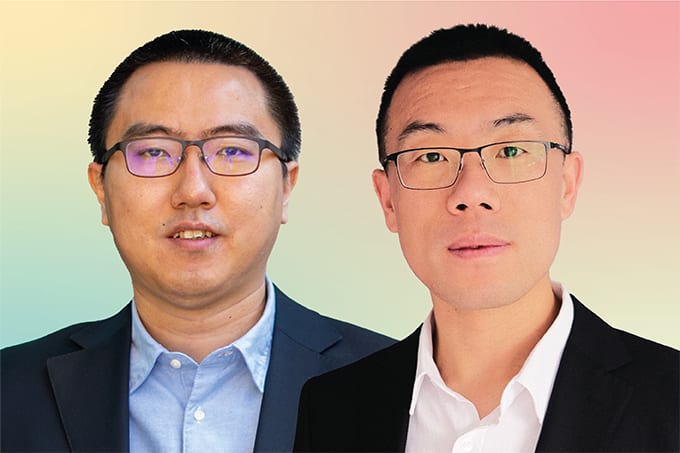
Using nanopore technology, Chang Liu and Xiaojun Wei discuss their accessible and inexpensive new option for detecting “forever chemicals” PFAS
False
