Newsletters
Receive the latest analytical science news, personalities, education, and career development – weekly to your inbox.

False
Portable spatially offset Raman spectroscopy and multivariate models classify historic wet-collection fluids in situ
Receive the latest analytical science news, personalities, education, and career development – weekly to your inbox.
December 10, 2024
2 min read
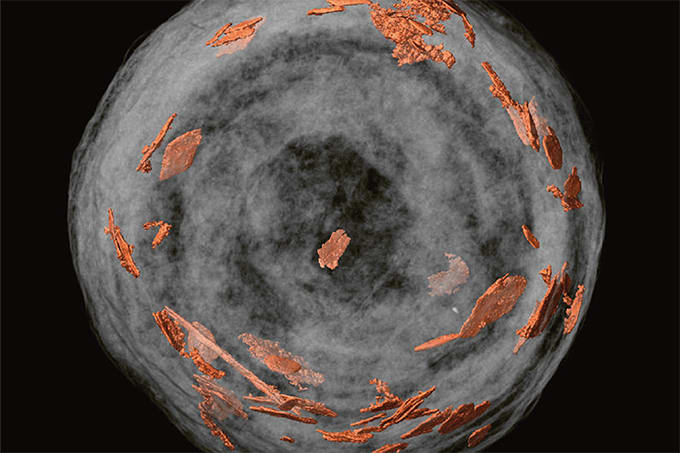
Analyses of fossilized feces, intestinal contents, and vomit reveal how dinosaurs adapted to climate shifts
October 4, 2024
1 min read
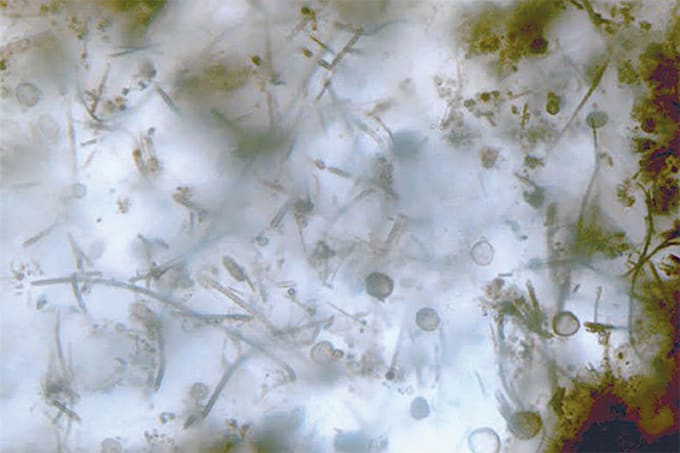
A new imaging technique using specially coated indium tin oxide (ITO) glass slides reveals key bioessential elements in ancient microfossils – suggesting that life 1...

October 11, 2024
8 min read
Why the discovery of indium tin oxide glass slides ultimately led Akizumi Ishida and Kohei Sasaki to shed new light on early life on Earth – and to jump for joy

October 17, 2024
5 min read
Ani Martirosyan walks us through her histological and synchrotron X-ray analysis that provides new insights into infant mortality in Iron Age Iberian populations
False