Newsletters
Receive the latest analytical science news, personalities, education, and career development – weekly to your inbox.

False
Selective methylation of N-acetylneuraminic acid enabled a taste-releasing sensor to distinguish influenza neuraminidase from bacterial enzymes
Receive the latest analytical science news, personalities, education, and career development – weekly to your inbox.

December 17, 2024
1 min read
New optical biosensor offers mpox virus detection in 20 minutes

December 31, 2024
1 min read
Biocompatible electronic devices open up new possibilities for in situ disease detection

October 14, 2024
4 min read
Unlocking the potential of synthetic receptors for precise, eco-friendly diagnostics and environmental monitoring – paving the way for next-gen sensor technology
November 12, 2024
1 min read
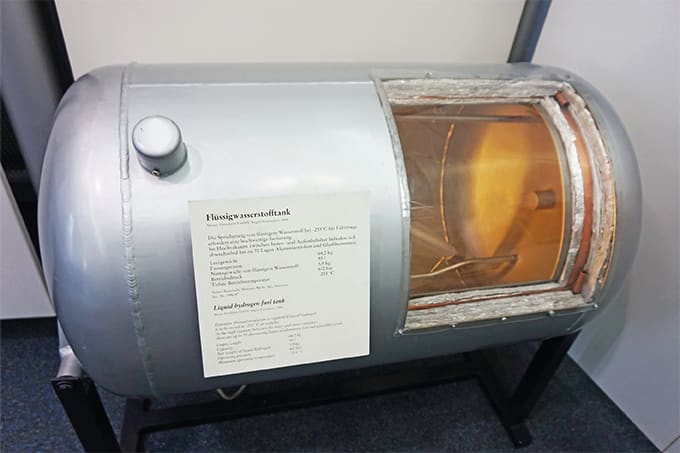
Tunable diode laser absorption spectroscopy (TDLAS) technique offers high-sensitivity, calibration-free hydrogen gas detection
False