5 Key Takeaways
-
1
Generative AI poses challenges for critical thinking among students, necessitating studies on its impact and responsible usage in education.
-
2
Current metrics for measuring scientific impact, such as publication counts, are outdated and need redefinition to prioritize quality and societal contributions.
-
3
PhD programs should focus on developing skills like communication and leadership rather than solely emphasizing publication output.
-
4
Trust in leadership is built through transparency and openness about challenges, rather than through traditional measures of success.
-
5
The educational process should emphasize inquiry and critical thinking, rather than just the end product of research.
This content is an AI-generated, fully rewritten summary based on a published scholarly article. It does not reproduce the original text and is not a substitute for the original publication. Readers are encouraged to consult the source for full context, data, and methodology.
Newsletters
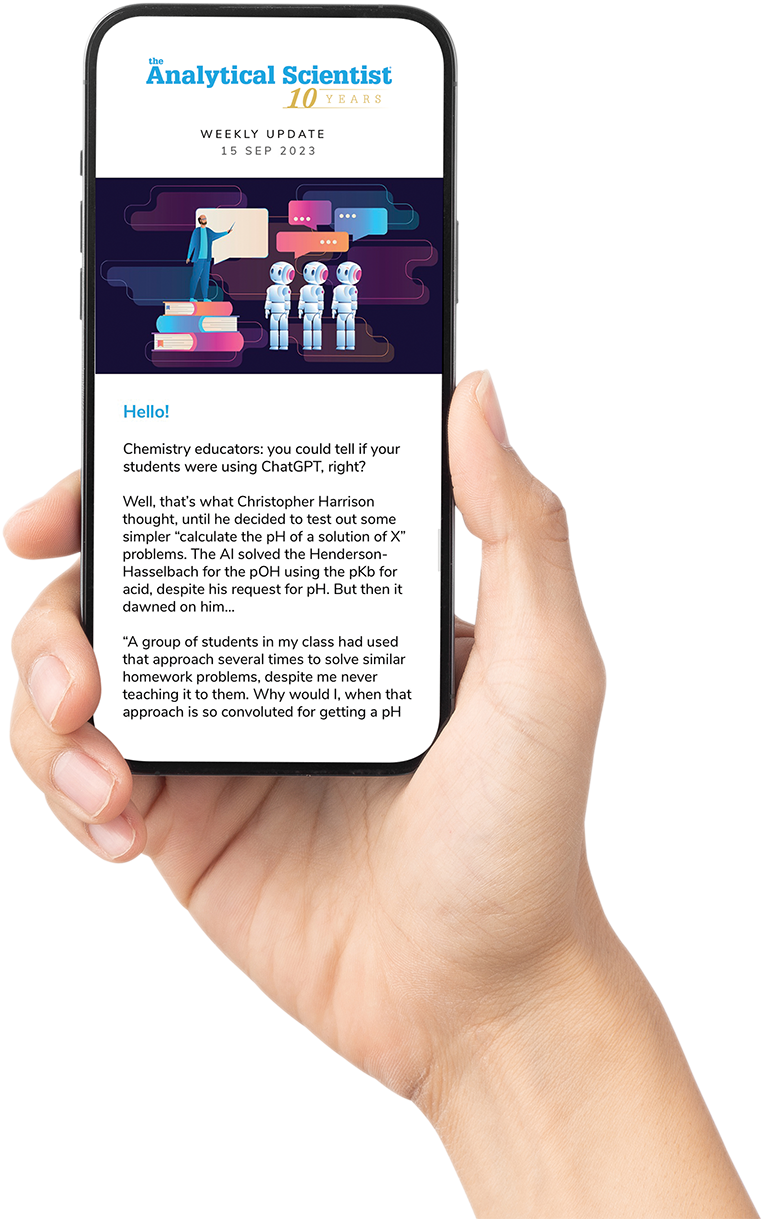
Receive the latest analytical science news, personalities, education, and career development – weekly to your inbox.
About the Author(s)
James Strachan
Over the course of my Biomedical Sciences degree it dawned on me that my goal of becoming a scientist didn’t quite mesh with my lack of affinity for lab work. Thinking on my decision to pursue biology rather than English at age 15 – despite an aptitude for the latter – I realized that science writing was a way to combine what I loved with what I was good at. From there I set out to gather as much freelancing experience as I could, spending 2 years developing scientific content for International Innovation, before completing an MSc in Science Communication. After gaining invaluable experience in supporting the communications efforts of CERN and IN-PART, I joined Texere – where I am focused on producing consistently engaging, cutting-edge and innovative content for our specialist audiences around the world.