“Instruments detect more than they ever have, but detecting more is not knowing more. Relating what we detect back to the sample itself, and ruling out what our own handling introduced, is becoming more challenging.”
What does your research focus on, and what problem are you trying to solve?
Modern instrumentation produces far more data than we can turn into knowledge. My overarching focus is to harmonize sample preparation, separation, quantification, and data processing into application-driven workflows for targeted and non-targeted environmental analysis and bioanalysis. Optimizing and critically evaluating those steps in the analytical pipeline is what determines the information we can extract.
What aspect of your current research excites you most – and why is this an important moment for it?
What excites me most is seeing the results come in and discussing them with my collaborators: the moment when the separate pieces of a workflow finally connect, and the chemical fingerprint of an environment or a biofluid is mapped in detail and interpreted within the experimental design we chose. It is an exchange in which thoughts and ideas flourish.
Alongside it, there is the less visible, time-consuming work of separating signal from noise.
Both matter now because of the ever-increasing sensitivity and selectivity of analytical techniques. Instruments detect more than they ever have, but detecting more is not knowing more. A compound found in a sample may come from the sample, the environment, or unintended transformations along the way. Relating what we detect back to the sample itself, and ruling out what our own handling introduced, is becoming more challenging in the experimental workflow.
The same sensitivity and selectivity, together with what modern industry puts into circulation, also reveal constituents that were simply invisible before. Some are known and expected; many, as with some emerging contaminants, are not known, and discovering them is the first step toward assessing and monitoring them.
Looking five to 10 years ahead, what emerging trend do you think will have the greatest impact on analytical science?
Easy: generative and machine-learning tools. Specifically, their integration into analytical workflows and instrumentation. Instruments that design and refine their own methods, and models that propose identifications, will push forward what is practically achievable.
My one concern is a generation of scientists who can run an optimization but cannot explain why the optimum sits where it does. I hope we will not trade understanding for speed. The tools are coming either way; which future we get is our choice.
What is the biggest challenge facing analytical science today?
Producing data has been democratized; validating it has not. Anyone can now run an instrument and get hundreds or thousands of features out of it. However, numbering features is not enough until someone has demonstrated how reliable they are, whether someone else can reproduce them, how the compounds are identified, and what the result can and cannot support. Asking those questions is our job, and it is getting harder.
Do you have any strong opinions with which the rest of the field tends to disagree?
Many would agree that our policies reward quantity over quality. Fewer are willing to see that those policies are sustained by us: journal editorial boards, evaluation panels, and hiring committees are, or soon will be, staffed by our generation.
So it is the responsibility of every scientist, established or in the making, to recognize depth over volume in the next evaluation we take part in. Some institutions are already rethinking how they evaluate research. We must help many others to follow.
What decision, opportunity, or unexpected event has had the greatest influence on your career so far?
The decision to leave home – habits and language included – for my research abroad, first in the United States and then in Belgium, and to keep moving and learning. I went from pure instrumental and method development to application-driven workflows, where I was suddenly a beginner again. That discomfort paid off.
It taught me the other steps of the analytical pipeline, their critical points, how they are connected, and what our techniques are actually for, from the perspective of the people who need the answers. Adapting to new cultures, inside and outside the lab, gave me a resilience no course could teach. And it let the community get to know me independently of the home group. The mentors, collaborators, and awareness from those years are the treasure I hold on to, and they still shape my career today.
Who has changed the way you think about science – or life more broadly – and how?
Not a single person, but many, each in a different way. Not only my official supervisors, but also external colleagues whom I consider mentors because of the conversations we have kept up over the years. Those people still give me time, although they do not have to.
I learned that mentorship and exchange are key to professional growth and can be found outside any formal role. I try to repay that in the same way.
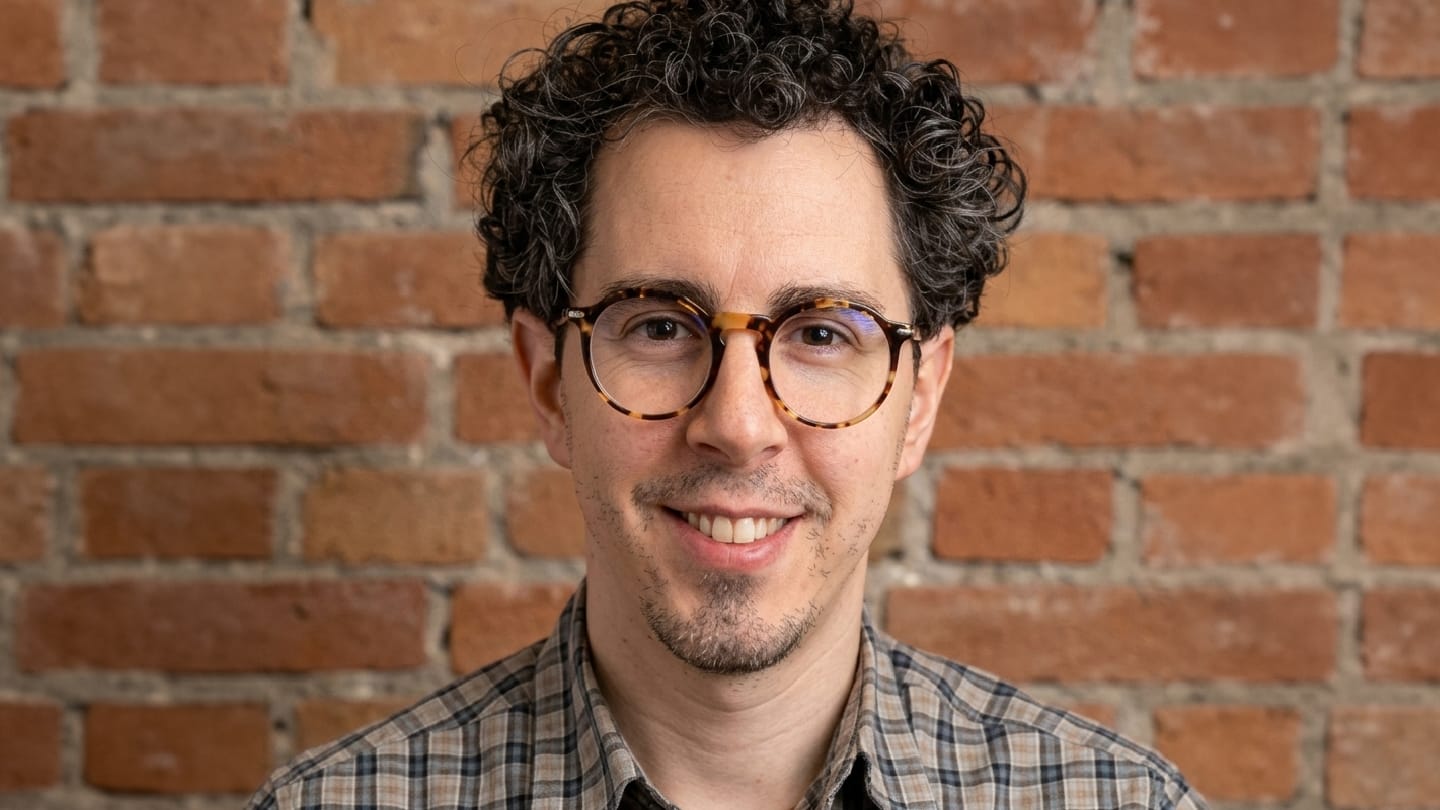
Flavio Antonio Franchina is Associate Professor at the University of Ferrara, Italy.
Explore The Analytical Scientist 40 Under 40 Power List 2026
Newsletters
Receive the latest analytical science news, personalities, education, and career development – weekly to your inbox.