“For me, this is where the real impact lies: transforming an advanced analytical technique into a routine, accessible, and valuable tool that enables better scientific and regulatory decisions.”
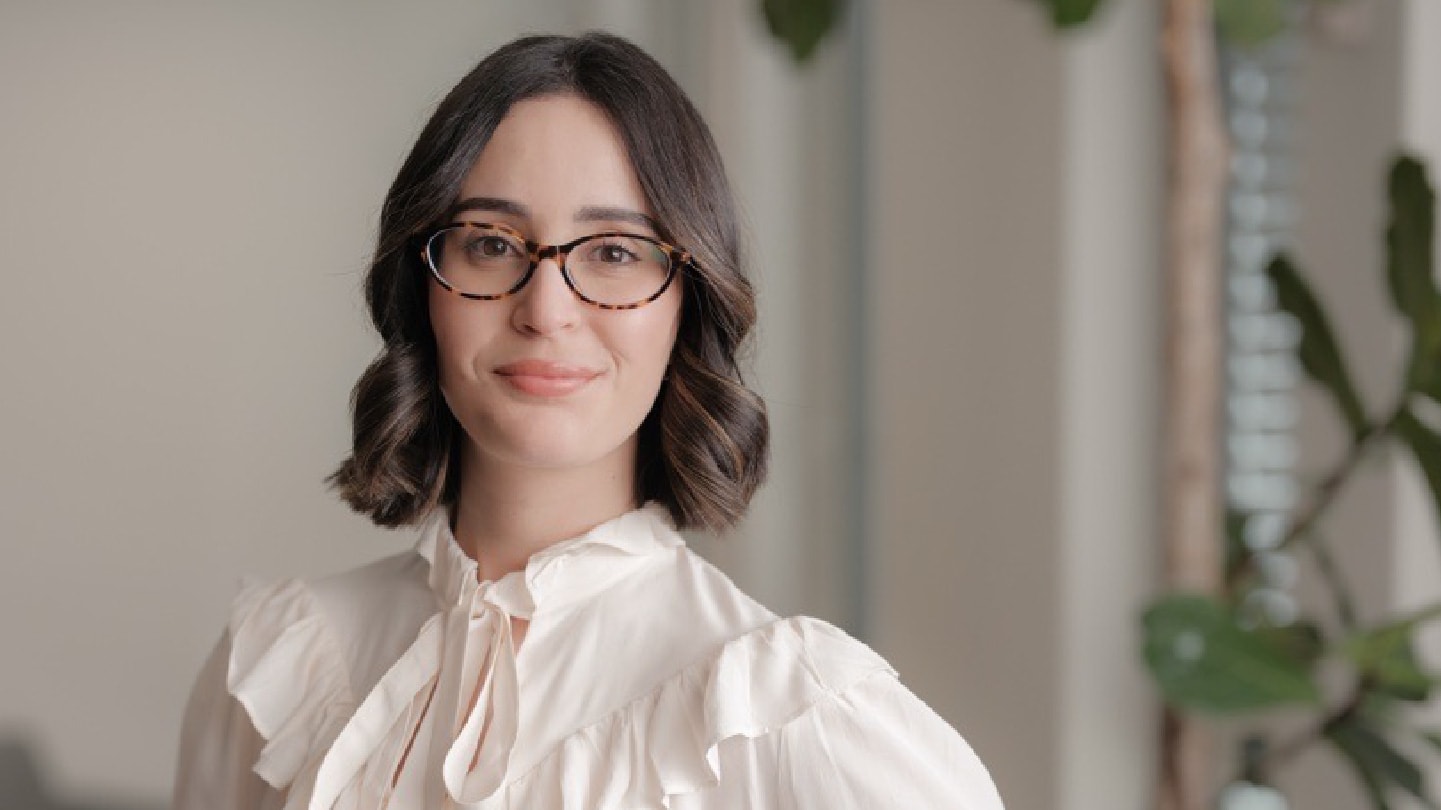
What does your research focus on, and what problem are you trying to solve?
My research in separation science began with developing prediction models for comprehensive two-dimensional gas chromatography (GC×GC) to automate method development and enable reliable data processing. I also created workflows integrating machine learning with classical statistics. Today, I apply GC×GC in industry to address regulatory questions and ensure product compliance.
What aspect of your current research excites you most – and why is this an important moment for it?
What excites me most is seeing GC×GC move beyond its traditional academic setting and become a practical tool for solving real-world challenges in industry. I’m particularly excited about using it to answer complex regulatory questions, strengthen quality assessment, and support product compliance.
Equally rewarding is introducing the technique to colleagues who are new to it: training them, building their confidence, and helping them troubleshoot independently. For me, this is where the real impact lies: transforming an advanced analytical technique into a routine, accessible, and valuable tool that enables better scientific and regulatory decisions.
Looking five to 10 years ahead, what emerging trend do you think will have the greatest impact on analytical science?
I would say artificial intelligence will have the greatest impact on analytical science over the next five to 10 years. Beyond simply accelerating data processing and reducing the time needed to obtain results, AI will help us extract more value from increasingly complex datasets.
It can uncover patterns and trends that might otherwise be missed and make previously difficult-to-access information much more readily available. Ultimately, I see AI helping analytical scientists move from simply generating data to interpreting it faster, more intelligently, and with greater confidence.
What is the biggest challenge facing analytical science today?
I would say it’s not just one challenge, but several interconnected ones. One of the biggest is that analytical science is no longer simply about generating data; it is about extracting meaningful information from increasingly complex datasets.
At the same time, technology is advancing rapidly. Analytical instruments are becoming more sophisticated and generating more data, which requires increasingly powerful data-processing strategies. However, methods, workflows, regulations, and people’s expertise do not always evolve at the same pace. This can create a gap between what a technology can achieve and what laboratories can realistically implement on a routine basis.
I see this particularly with techniques such as GC×GC. They can provide tremendous analytical value but are sometimes perceived as complex or difficult to use routinely. I think an important challenge is to simplify workflows, improve data processing, and train people effectively so that advanced analytical technologies become accessible, practical tools rather than techniques limited to specialists.
What decision, opportunity, or unexpected event has had the greatest influence on your career so far?
I would say that traveling and working in different countries have had the greatest influence on my career so far. I’ve been fortunate to study and work abroad, and each experience exposed me to different cultures, ways of thinking, and approaches to science.
It pushed me outside my comfort zone and helped me develop stronger communication skills, empathy, adaptability, and critical thinking. These experiences have not only made me a better scientist, more open to different perspectives and approaches, but have also played a major role in shaping who I am today. Looking back, I see those opportunities as some of the most valuable experiences in my career.
What interest or skill outside science has made you a better researcher?
I think communication has made me a better researcher. Science can be complex, but being able to explain an idea clearly to someone who has a different level of expertise has taught me to think about problems from different perspectives. It has also made me more patient and adaptable in the way I communicate.
In my current work, this is particularly valuable when introducing colleagues to techniques such as GC×GC, as it allows me not only to share knowledge but also to make advanced science more accessible and practical.
Meriem Gaida is Product Safety Science Manager at Luzi AG in Dietlikon, Canton of Zurich, Switzerland. She is originally from Tunisia.
Explore The Analytical Scientist 40 Under 40 Power List 2026
Newsletters
Receive the latest analytical science news, personalities, education, and career development – weekly to your inbox.



