Newsletters
Receive the latest analytical science news, personalities, education, and career development – weekly to your inbox.
False
How physics-informed machine learning can more accurately predict retention times in LC and speed up drug development
Receive the latest analytical science news, personalities, education, and career development – weekly to your inbox.
December 4, 2024
4 min read
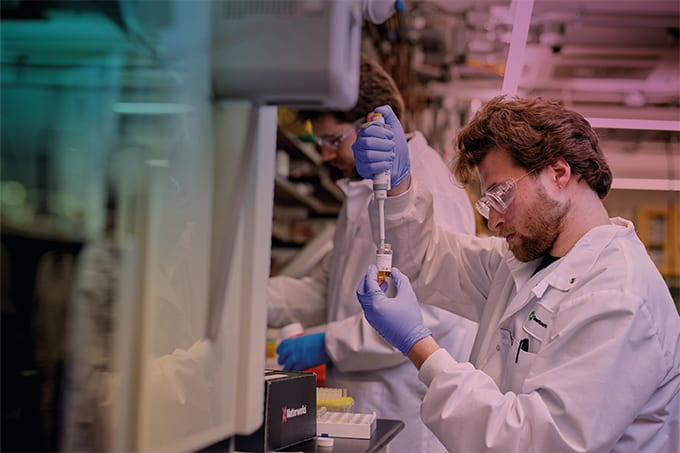
Welcome to the 5th ranked Innovation, Pyxis – introduced here by Matterworks co-founder Jack Geremia

December 5, 2024
7 min read
In the second part of our interview, Michael Gonsior explores the pressing challenges in carbon cycle research, transformative tools and technologies, as well as analytical glimmers of hope

December 16, 2024
4 min read
Software tools can optimize resource management, streamline workflow processes, predict outcomes, and optimize experimental conditions – contributing to more sustainable laboratory operations

December 18, 2024
1 min read
Working closely with an ever-expanding network of experts helps keep our content relevant and engaging. And keeps artificial intelligence at bay, right?!
False